
🎧 Listen to this article
The Soul of the Artisan: A Deep Dive into Deamore’s Contemporary Craft
In an era dominated by fleeting trends and the relentless hum of mass production, there is a powerful, quiet rebellion taking place. It’s a return to the tangible, the meaningful, and the enduring. This movement champions not just objects, but the stories they tell and the hands that brought them to life. It is the world of contemporary craft, where connoisseurs seek more than a logo; they seek a soul, a narrative, and a strong artisanal presence. It is in this world that the Deamore collection finds its voice, offering meticulously crafted artisanal leather and wood bags that are as much a statement of personal style as they are a testament to the timeless beauty of human skill. These are not mere accessories; they are wearable sculptures, born from a philosophy that values precision, patience, and the profound connection between creator and creation.
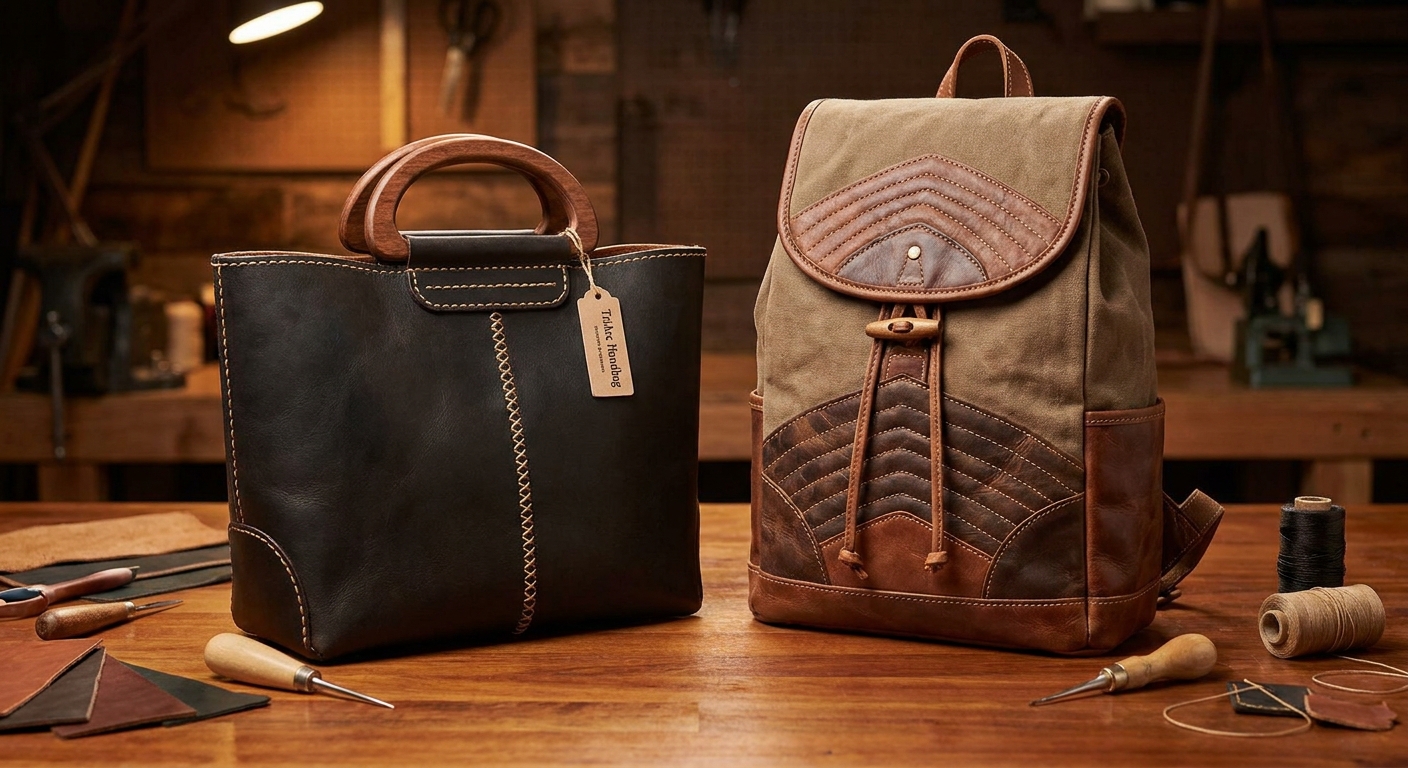
This deep dive is for those who understand that true luxury lies not in ubiquity, but in rarity; not in the perfection of a machine, but in the unique character imbued by a master’s touch. We will journey into the heart of the Deamore atelier to uncover the secrets behind their most iconic pieces. We will zoom in on the microscopic details, exploring the disciplined poetry of the precise, hand-stitched details that define the TriArc Handbag. We will deconstruct the complex beauty of the FanCrest Pack, appreciating its intricate stitching and masterfully layered materials. Join us as we celebrate the philosophy, the process, and the passion that elevate these creations from simple handbags to heirlooms of contemporary craft.
The Resurgence of Artisanal Craftsmanship in Modern Luxury
The landscape of luxury is undergoing a seismic shift. For decades, the industry was defined by a top-down model of seasonal trends and brand-centric marketing. Today, a new, more discerning consumer is emerging. This individual is educated, conscious, and seeks authenticity in every purchase. They are turning away from the ephemeral and investing in pieces that offer longevity, both in terms of quality and style. This paradigm shift has fueled the resurgence of artisanal craftsmanship, a concept that has become a cornerstone of the new luxury lexicon.
But what does “artisanal” truly mean in this context? It’s a term often diluted by marketing, but its core essence remains potent. It signifies a product made by a skilled craftsperson, where the process itself is as important as the final product. It involves a deep understanding of materials, a mastery of traditional techniques, and an artistic intention that guides every step. This philosophy is the very antithesis of the assembly line. As noted by the slow fashion movement, this approach emphasizes quality over quantity, fostering a more mindful and sustainable relationship with the things we own. It’s about buying fewer, better things—pieces that resonate on a personal level and are built to last a lifetime, not just a season.
The Allure of Natural Materials: The Dialogue Between Leather and Wood
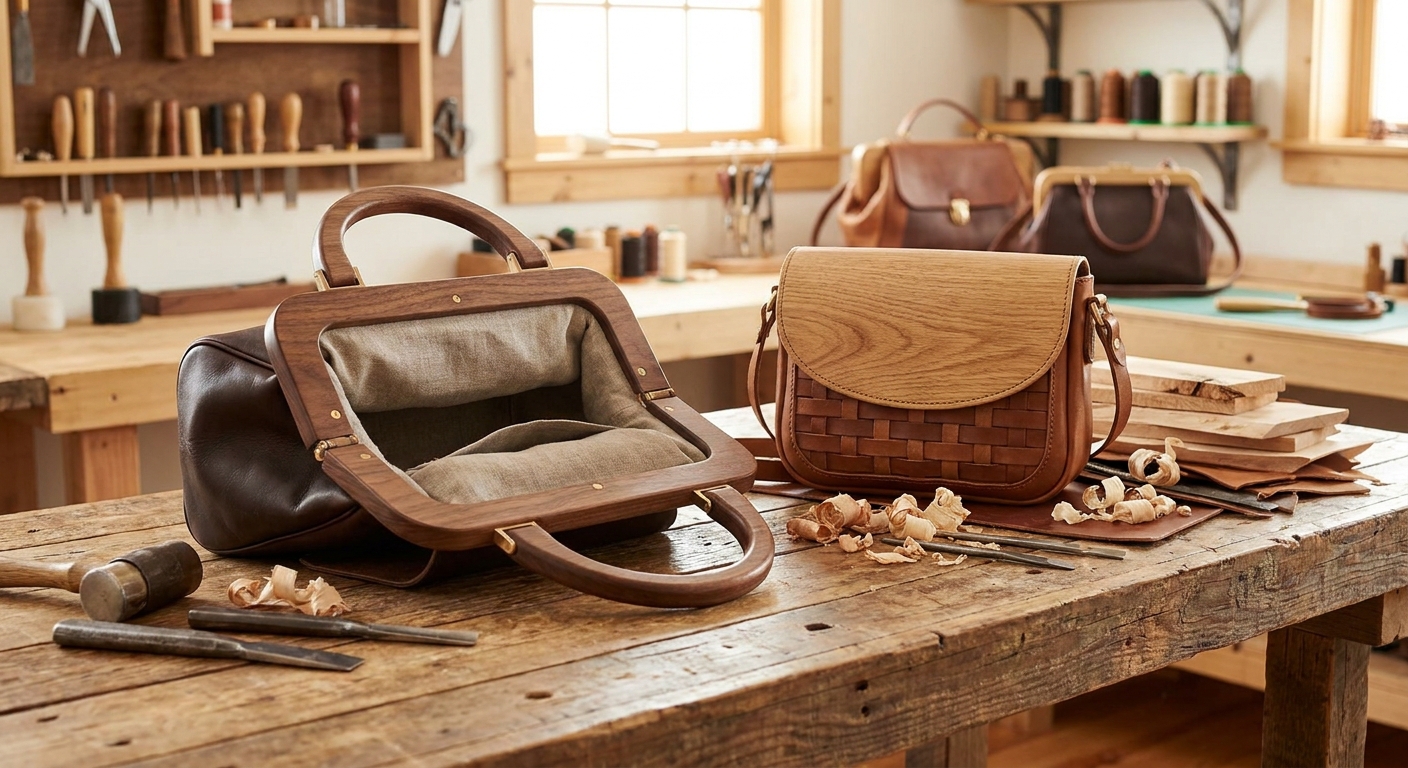
At the heart of Deamore’s artisanal identity is the bold and beautiful fusion of two of nature’s most noble materials: leather and wood. This combination is not merely an aesthetic choice; it is a technical challenge that requires immense skill and a profound respect for the inherent qualities of each element. Leather, with its supple strength, warmth, and ability to develop a rich patina over time, represents flexibility and life. Wood, with its rigid structure, unique grain, and deep connection to the earth, represents strength, history, and permanence.
Creating a harmonious union between these two disparate materials is where true craftsmanship shines. It requires an understanding of how wood expands and contracts, how leather stretches and molds, and how to join them in a way that is both structurally sound and aesthetically seamless. The result is a collection of artisanal leather and wood bags that are not just visually striking but also offer a unique tactile experience. The smooth, cool grain of polished walnut against the soft, pliable texture of full-grain leather creates a sensory dialogue that mass-produced, synthetic items can never replicate. It is a constant reminder of the natural world, a piece of organic art designed for daily life.
Deamore’s Philosophy: Where Contemporary Design Meets Timeless Technique
To truly appreciate a Deamore piece is to understand the philosophy that underpins its creation. The brand exists at a fascinating intersection, a place where minimalist, contemporary design principles are executed using age-old, time-honored craft techniques. This is not about recreating historical artifacts; it’s about using the wisdom of the past to build the heirlooms of the future. Each design begins not with a trend report, but with a deep exploration of form, function, and material. The question is never “What is fashionable?” but rather “What is beautiful, functional, and enduring?”
This commitment to enduring quality is woven into the very fabric of the brand’s identity. It’s a holistic approach that considers the entire lifecycle of a product, from the responsible sourcing of materials to the final stitch. This dedication to mindful creation is a core tenet, ensuring that each bag is not only a beautiful object but also a responsible one. You can learn more about how material selection and thoughtful design contribute to a longer product life in our exploration of Sustainable Luxury Bags: Nature Crafted by Deamore. This ethos ensures that every Deamore bag is an investment in both style and substance, a piece designed to be cherished and passed down through generations.
A Masterpiece in Detail: The TriArc Handbag
The TriArc Handbag is perhaps the purest expression of the Deamore philosophy. It is a study in elegant minimalism, where the beauty lies not in overt embellishment, but in the perfection of its form and the flawlessness of its execution. To the casual observer, it is a stunningly simple, elegant bag. To the connoisseur of craft, it is a complex symphony of masterful woodworking and meticulous leathercraft, where every single detail tells a story of skill and dedication.
The Architectural Foundation: From Concept to Carved Wood
The soul of the TriArc is its distinctive wooden frame. This is not a mere decorative element; it is the bag’s skeleton, providing its structure, its unique silhouette, and its very identity. The design process for this component is more akin to architecture or sculpture than to traditional handbag design. The gentle, sweeping curves and precise angles are the result of careful consideration of both aesthetics and ergonomics. This focus on structure turns the handbag into a piece of wearable art, a concept we delve into more deeply in our article on the Geometric Wooden Handbag: Wearable Architecture.
The journey begins with the selection of the wood. Deamore exclusively uses high-quality, sustainably sourced hardwoods like American Walnut or European Ash. Each plank is chosen for its specific grain pattern, color, and integrity, ensuring that no two TriArc frames are exactly alike. The wood is then painstakingly shaped. This process involves a combination of modern precision machinery for the initial cuts and hours of traditional hand-carving, sanding, and finishing. The frame is sanded through multiple grits of sandpaper, moving from coarse to incredibly fine, until the surface is as smooth as polished stone. Finally, it is treated with natural oils and waxes, not heavy lacquers, to protect the wood while allowing its natural beauty and tactile warmth to shine through. This multi-stage process can take several days for a single frame, a testament to the brand’s refusal to compromise on quality for the sake of speed.
The Art of the Stitch: A Symphony of Precision
If the wooden frame is the TriArc’s skeleton, the hand-stitching is its lifeblood. This is where the bag’s “precise hand-stitched details” truly come to the forefront. Deamore employs a traditional leatherworking technique known as the saddle stitch, a method that has been used by master saddlers and leather artisans for centuries for its unparalleled strength and beauty. Unlike a machine stitch, which uses a single top thread and a bottom bobbin thread to create a lockstitch, the saddle stitch is done by hand with a single piece of thread and two needles passing through the same hole from opposite directions.
Why does this matter? A machine’s lockstitch is essentially a chain. If one of those stitches breaks, the entire chain can unravel. The saddle stitch, however, creates a series of independent, interlocking figure-eight knots within the leather. If one stitch were to ever break—a highly unlikely event given the strength of the thread—the adjacent stitches would hold it firmly in place, preventing the seam from failing. This is a level of durability that machine stitching simply cannot replicate. For a deeper understanding of the technical superiority of this method, publications like Forbes have noted the consumer shift towards appreciating such markers of true, lasting quality.
The process is a meditation in precision:
- Marking: A stitching line is meticulously marked on the leather using a wing divider to ensure it is perfectly parallel to the edge.
- Pricking: The stitch marks are made along this line using a pricking iron, a tool that looks like a fork with sharp, angled tines. This ensures that every stitch is perfectly spaced and angled, creating the signature diagonal look of a high-end saddle stitch.
- Awl Work: Each hole is then individually punched through the layers of leather using a sharp diamond-shaped awl, following the marks made by the pricking iron.
- Stitching: Finally, the artisan begins the rhythmic, two-handed process of stitching, passing two needles through each hole, pulling the waxed linen thread taut to create a perfect, tensioned seam.
This process is slow, demanding, and requires years of practice to master. The result is a stitch line that is not just a functional seam, but a beautiful, decorative element that speaks volumes about the quality of the bag and the skill of its maker.
The FanCrest Pack: A Tapestry of Texture and Technique
While the TriArc is a masterclass in minimalist perfection, the FanCrest Pack is a celebration of complexity and texture. It is a bolder, more intricate design that showcases a different facet of Deamore’s artisanal prowess. Designed for the modern individual who needs versatility without sacrificing style, the FanCrest is a testament to how “intricate stitching and layered materials” can create a piece that is both a practical backpack and a work of high craft.
Deconstructing the Design: Intricate Layering and Form
The first thing one notices about the FanCrest is its unique silhouette, created by the artful layering of materials. The design features panels of premium leather meticulously arranged over a foundational wooden structure, creating a fan-like effect that gives the pack its name. This is not a simple appliqué; the layers are integrated into the very structure of the bag. This technique creates an incredible sense of depth and dimension. The interplay of light and shadow across the different levels of leather gives the bag a dynamic quality, making it seem to change and evolve as it moves.
The choice of materials here is deliberate. Often, slightly different textures or finishes of leather are used for the various layers to enhance this effect. A smooth, polished top layer might sit atop a more matte or subtly grained layer beneath it, creating a tactile and visual contrast that invites touch. This layering also serves a functional purpose, reinforcing key areas of the pack and adding to its overall durability while maintaining a surprising lightness.
The Narrative of the Needle: Intricate Stitching as a Design Element
On the FanCrest Pack, the stitching transcends its functional role and becomes a primary design element. The intricate stitch patterns are used to delineate the layers, to create contour and shape, and to add a rich layer of decorative detail. Where the TriArc’s stitching is a single, perfect line, the FanCrest’s is a complex tapestry. You will find reinforcing box stitches at stress points, elegant curved lines that follow the sweep of the layered panels, and precise edge stitching that frames the entire piece.
This level of decorative stitching is incredibly time-consuming. Each line must be perfectly planned and executed to complement the overall design. The artisan must constantly adjust their tension and angle to accommodate the varying thickness of the layered leather. This is where the difference between a craftsperson and a master becomes apparent. The stitching on the FanCrest is not just holding the bag together; it is drawing the eye, telling a story, and celebrating the skill of the hand that made it. It is the narrative of the needle, writ large across a canvas of leather and wood. This versatility in design makes it a fantastic piece to incorporate into various looks, a topic we explore further in our guide to Styling Luxury Wooden Handbags: Day to Night.
The Connoisseur’s Choice: Why a Strong Artisanal Presence Matters
In a world saturated with goods, the discerning consumer looks for signs of authenticity, for evidence of the human hand. A strong artisanal presence, as seen in every Deamore creation, provides exactly that. It is a guarantee of quality, a mark of distinction, and a connection to a tradition of excellence. Owning one of these artisanal leather and wood bags is not about conforming to a trend; it’s about expressing a personal appreciation for art, skill, and enduring design.
These pieces are the antithesis of fast fashion. They are “investment pieces” in the truest sense of the word. They are built to withstand the rigors of daily use and to age gracefully, developing a unique patina that tells the story of its owner’s life. The slight variations in the wood grain, the subtle character of the hand-stitching—these are not imperfections. They are the signatures of the artisan, the very qualities that make each piece unique and deeply personal. To choose a Deamore bag is to choose a companion for a journey, a piece of wearable art that will only become more beautiful with time.
Conclusion: The Enduring Legacy of Contemporary Craft
The Deamore TriArc Handbag and FanCrest Pack are more than just luxury accessories. They are powerful statements in a world hungry for authenticity. They are proof that the old ways—the patient, skilled, and intentional methods of the artisan—have a vital place in contemporary design. Through the precise hand-stitching of the TriArc and the intricately layered materials of the FanCrest, we see a deep and abiding respect for both material and process. This is the essence of contemporary craft: a fusion of modern aesthetics with the enduring soul of traditional technique.
For the connoisseur who values a strong artisanal presence, these pieces offer a connection to something real and lasting. They are a celebration of the human ability to create objects of profound beauty and function. In a world of the ephemeral, choosing one of these exceptional artisanal leather and wood bags is an act of defiance—a commitment to quality, a celebration of skill, and an investment in a legacy of craftsmanship that will never go out of style.
What makes artisanal leather and wood bags different from mass-produced luxury bags?
The primary difference lies in the process, materials, and uniqueness. Artisanal bags, like those from Deamore, are handcrafted by skilled artisans, often using superior techniques like saddle stitching which is far more durable than machine stitching. The materials are meticulously selected for their quality and character, and the final product bears the unique marks of its creator, making each bag one-of-a-kind. Mass-produced bags prioritize speed and volume, often sacrificing these subtle but crucial details.
How do I care for a handbag made from both leather and wood?
Caring for a combined-material bag requires gentle attention to each component. For the leather, use a high-quality leather conditioner sparingly every 6-12 months to keep it hydrated and prevent cracking. Wipe with a soft, dry cloth for general cleaning. For the wood, avoid prolonged exposure to extreme temperatures or moisture. You can polish it with a soft cloth and a small amount of natural wood wax or oil (like beeswax or mineral oil) to maintain its luster and protect the finish.
Is hand-stitching really more durable than machine stitching?
Yes, unequivocally. The traditional saddle stitch used in high-end leatherwork creates an independent locking knot within each stitch. If one thread breaks, the seam will not unravel. A machine’s lockstitch is a chain-like stitch; if the top or bottom thread breaks, the entire seam can quickly pull apart. This makes hand-stitching vastly superior for items like handbags that endure daily stress and are meant to last for decades.
What does the term “contemporary craft” mean in the context of these bags?
“Contemporary craft” refers to the application of traditional, high-skill, and often time-consuming craft techniques to create objects with a modern, minimalist, or current aesthetic. It’s the opposite of recreating historical items. In Deamore’s case, it means using centuries-old woodworking and leather-stitching methods to create clean, architectural, and geometric bags that feel perfectly suited for the modern world, not a museum.